

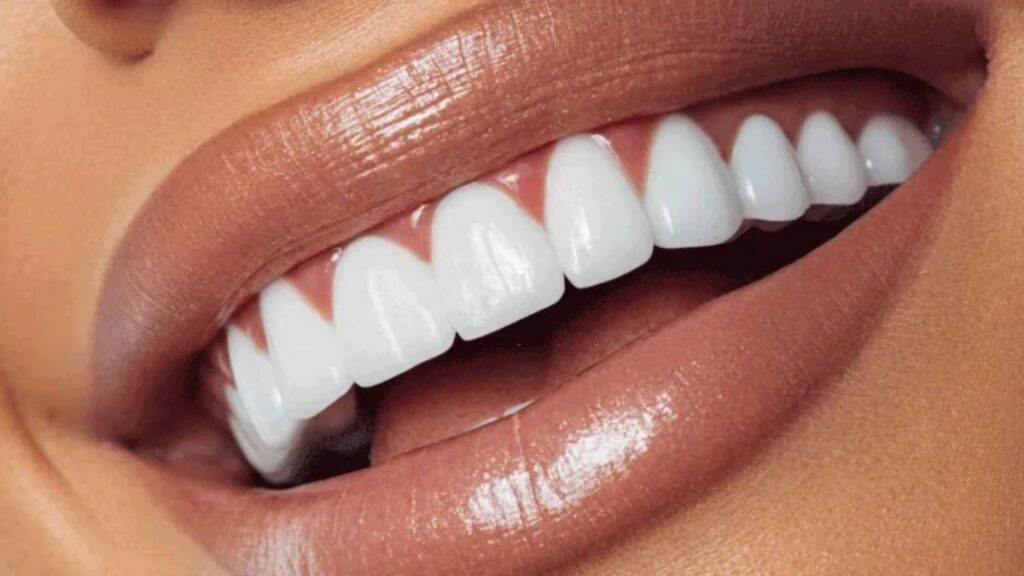
Strengthening your smile not only enhances appearance but also supports overall wellbeing by preventing issues such as gum disease or tooth loss. Research from organisations like the British Dental Association highlights that consistent oral care reduces the risk of cavities by up to 50 percent, while incorporating nutritional and professional elements further bolsters enamel integrity.
For those seeking insights, a cosmetic dentist London offers specialised knowledge to guide these efforts. Such professionals assess individual needs, recommending approaches that align with modern dental science. This article outlines seven key ways to fortify your smile, drawing on established practices and innovations in dentistry.
Dr. Sahil Patel of MaryleboneSmileClinic provides this advice: “Strengthening your smile begins with foundational habits like proper brushing, but incorporating professional treatments such as whitening or contouring can yield lasting results. Patients often benefit from a mini smile makeover, which combines subtle enhancements to improve tooth structure without invasive procedures. To explore personalised options and view case studies, visit this site for comprehensive details on our services.” His commentary underscores the importance of blending at-home routines with clinical expertise to achieve optimal outcomes.
These strategies, when applied diligently, can transform oral health. The following sections detail each method, offering actionable information grounded in dental research.
Way 1: Establish Rigorous Daily Oral Hygiene Practices
Effective oral hygiene forms the cornerstone of a strengthened smile, as it directly combats plaque buildup and bacterial proliferation. Brushing twice daily with a fluoride toothpaste is essential, as fluoride remineralises enamel, making it more resistant to acid attacks from food and beverages. Studies from the Journal of Clinical Periodontology indicate that using an electric toothbrush can remove up to 21 percent more plaque than manual brushing, particularly in hard-to-reach areas. Complement this with flossing or interdental brushes to clear debris between teeth, reducing the likelihood of interdental caries by 30 percent.
In addition to brushing and flossing, incorporating an antimicrobial mouthwash can further enhance protection. Ingredients like chlorhexidine inhibit bacterial growth, supporting gum health and preventing gingivitis. For London residents, where air pollution may exacerbate oral sensitivities, rinsing after meals helps neutralise pollutants that could erode enamel over time. Consistency is key; irregular habits lead to tartar formation, which requires professional removal.
Beyond tools, technique matters. Use gentle, circular motions to avoid abrading gums, and replace your toothbrush every three months to maintain efficacy. Parents should instil these practices in children early, as habits formed in youth persist into adulthood, fostering lifelong smile strength. Integrating these routines into daily life, such as post-breakfast and before bed, ensures compliance without overwhelming schedules. Overall, rigorous hygiene not only strengthens teeth but also boosts confidence through a healthier, brighter appearance.
Dental professionals recommend monitoring for signs of weakness, such as sensitivity or discolouration, and adjusting routines accordingly. By prioritising these practices, individuals can significantly mitigate common issues like erosion from acidic diets prevalent in urban environments.
Way 2: Adopt a Diet That Supports Enamel and Gum Integrity
Nutrition plays a pivotal role in fortifying teeth, supplying essential minerals that rebuild and protect enamel. Calcium-rich foods, such as dairy products, leafy greens, and fortified alternatives, provide the building blocks for tooth structure, with daily intake recommendations from Public Health England at 700mg for adults. Vitamin D, found in oily fish or supplements, aids calcium absorption, reducing the risk of demineralisation. Phosphorus, present in nuts and lean meats, complements this by forming hydroxyapatite, the primary component of enamel.
Limiting sugary and acidic intakes is equally crucial, as they promote bacterial acid production leading to decay. The World Health Organization advises capping free sugars at 10 percent of total energy intake to prevent caries. Instead, opt for crunchy vegetables like carrots and celery, which naturally scrub teeth and stimulate saliva flow, neutralising acids. Saliva acts as a natural buffer, containing bicarbonate that maintains oral pH balance.
For those in London, where convenience foods are abundant, choosing whole grains over refined carbohydrates supports sustained energy without spiking bacterial activity. Incorporating probiotics from yoghurt can enhance gut and oral microbiomes, potentially reducing inflammation in gums. Research in the British Dental Journal links balanced diets to lower periodontitis rates, emphasising anti-inflammatory foods like berries rich in antioxidants.
Hydration ties into diet; water flushes residues, while milk offers additional remineralisation benefits. Avoid excessive citrus or carbonated drinks, which erode enamel over time. By mindfully selecting meals, individuals not only strengthen their smile but also contribute to systemic health, as poor oral nutrition correlates with conditions like diabetes. Consulting a cosmetic dentist London for dietary assessments can refine these choices, ensuring alignment with personal oral profiles.
Way 3: Eliminate Habits That Compromise Tooth Structure
Certain behaviours undermine smile strength, necessitating their identification and cessation for long-term dental health. Smoking, for instance, restricts blood flow to gums, increasing periodontitis risk by 200 percent according to the Centres for Disease Control and Prevention. Nicotine stains enamel and promotes tartar buildup, weakening overall tooth integrity. Quitting, supported by NHS resources, allows natural repair processes to resume, often improving gum health within weeks.
Teeth grinding, or bruxism, affects up to 10 percent of adults, wearing down enamel and leading to fractures. Stress-induced in busy urban settings like London, it can be managed through mindfulness techniques or custom night guards prescribed by dentists. The British Dental Health Foundation notes that untreated grinding accelerates tooth loss, making early intervention vital.
Nail-biting and using teeth as tools—such as opening bottles—exert undue pressure, causing chips or misalignment. These habits foster bacterial entry points, heightening infection risks. Replacing them with alternatives, like stress balls for biting urges, preserves structure.
Excessive alcohol consumption dehydrates the mouth, reducing saliva’s protective effects and elevating decay odds. Moderation, aligned with UK guidelines of 14 units weekly, mitigates this. Similarly, avoiding ice-chewing prevents micro-fractures in enamel.
By addressing these, individuals safeguard against premature wear. Regular self-assessments, perhaps via dental apps, help track progress. In cases where habits have caused damage, seeking advice from a cosmetic dentist London facilitates restorative options like bonding. Ultimately, habit elimination empowers proactive smile maintenance, extending tooth longevity and enhancing aesthetic appeal.
Way 4: Prioritise Hydration and Saliva Production for Natural Protection
Hydration is fundamental to oral health, as it sustains saliva production, which naturally defends against decay. Saliva washes away food particles, neutralises acids, and delivers minerals like calcium to remineralise enamel. Dehydration, common in fast-paced London lifestyles, diminishes this flow, increasing cavity susceptibility. The European Food Safety Authority recommends 2-2.5 litres of water daily, with more during exercise or hot weather.
Chewing sugar-free gum stimulates saliva, particularly those with xylitol, which inhibits bacterial growth. A study in the Journal of the American Dental Association found xylitol reduces caries by 30-60 percent. This is especially useful post-meals when brushing isn’t feasible.
Fluoridated water, standard in many UK regions including parts of London, provides additional enamel strengthening. Where levels are low, using fluoride mouth rinses compensates. Avoiding dry-mouth culprits like caffeine or certain medications—consulting a GP for alternatives—preserves moisture.
Incorporating hydrating foods, such as cucumbers or melons, boosts intake naturally. For those with conditions like Sjogren’s syndrome affecting saliva, artificial substitutes prescribed by dentists offer relief.
Monitoring hydration through urine colour or mouth feel ensures adequacy. In professional contexts, a cosmetic dentist London can evaluate saliva quality during check-ups, recommending tailored hydration strategies. This approach not only fortifies teeth but also prevents halitosis and gum irritation, contributing to a robust smile.
Consistent hydration integrates seamlessly with daily routines, yielding cumulative benefits. Over time, it supports enamel resilience against environmental stressors, underscoring its role in comprehensive dental care.
Way 5: Implement Protective Measures Against External Threats
Protecting teeth from external factors is essential for maintaining smile strength, particularly in environments with potential hazards. Wearing mouthguards during sports prevents trauma, as the British Orthodontic Society reports over 200,000 annual dental injuries in the UK. Custom-fitted guards from dentists offer superior protection compared to over-the-counter options.
Sun exposure, while not directly oral, can lead to lip cancers; applying SPF lip balm safeguards surrounding tissues. In London, where outdoor activities vary seasonally, this measure supports holistic care.
Anticipating acid exposure from diets, rinsing with water post-consumption dilutes erosive effects. For those with gastro-oesophageal reflux, managing the condition medically reduces enamel wear.
Using straws for acidic drinks minimises contact with teeth, preserving surface integrity. Night-time routines should include avoiding snacks after brushing to allow overnight remineralisation.
In polluted urban areas, regular cleanings remove particulate buildup that could abrade enamel. Dentists recommend biannual scalings to maintain this.
For children, sealants on molars provide barriers against decay in grooves. Adults benefit similarly from fluoride varnishes applied professionally.
Engaging a cosmetic dentist London for risk assessments personalises these measures, identifying vulnerabilities like thin enamel. Protective strategies, when layered, create a comprehensive defence, ensuring teeth withstand daily challenges.
This proactive stance extends smile durability, reducing restorative needs and promoting sustained health.
Way 6: Commit to Regular Professional Dental Evaluations
Routine check-ups are indispensable for detecting and addressing issues early, thereby strengthening smile foundations. The National Institute for Health and Care Excellence advises examinations every 3-24 months based on risk, allowing for timely interventions like fillings before decay advances.
During visits, professionals perform cleanings that remove calculus, preventing gum recession. X-rays reveal hidden problems, such as interproximal caries, enabling precise treatments.
Oral cancer screenings, part of standard exams, are critical, with over 8,000 annual UK cases per the Oral Health Foundation. Early detection improves outcomes significantly.
Dentists also provide personalised advice on techniques, adjusting for individual anatomy. For Londoners, where access to specialists is ample, selecting practices with advanced diagnostics enhances efficacy.
Incorporating fluoride treatments during appointments bolsters enamel, reducing hypersensitivity. Scaling and polishing maintain aesthetics, removing stains from tea or coffee common in British diets.
Tracking changes over time, professionals can recommend orthodontics if misalignment weakens bite forces. This preventive model averts costly procedures later.
Engaging with a cosmetic dentist London during these evaluations integrates aesthetic considerations, such as whitening for discoloured teeth. Commitment to regularity fosters accountability, embedding care into lifestyles.
Ultimately, these evaluations empower informed decisions, fortifying smiles against progressive threats and ensuring enduring vitality.
Way 7: Explore Advanced Cosmetic and Restorative Treatments
When foundational habits are in place, professional treatments offer targeted enhancements to smile strength. Veneers, thin porcelain shells, protect weakened enamel while improving alignment, lasting 15-20 years with proper care per the British Academy of Cosmetic Dentistry.
Dental implants replace missing teeth, restoring function and preventing bone loss. With success rates above 95 percent, they integrate with jawbone, mimicking natural roots.
Composite bonding repairs chips or gaps, using resin that bonds seamlessly, strengthening structure without drilling healthy tooth.
Whitening procedures, professional-grade, remove deep stains safely, unlike over-the-counter kits that risk sensitivity. Laser-activated options yield quicker results.
For gum health, laser contouring reshapes uneven lines, reducing bacterial harbours and enhancing stability.
Orthodontic aligners correct misalignments, distributing bite forces evenly to prevent wear. Invisalign, popular in London, offers discreet treatment.
Consulting a cosmetic dentist London ensures treatments suit individual needs, with initial assessments guiding choices. Post-treatment maintenance, like retainers, sustains benefits.
These interventions, grounded in technology, provide durable solutions, elevating both strength and confidence. By investing in them, individuals achieve resilient smiles aligned with modern dentistry standards.
In summary, these seven ways form a comprehensive framework for smile strengthening, adaptable to diverse lifestyles. Consistent application yields measurable improvements in oral health.
